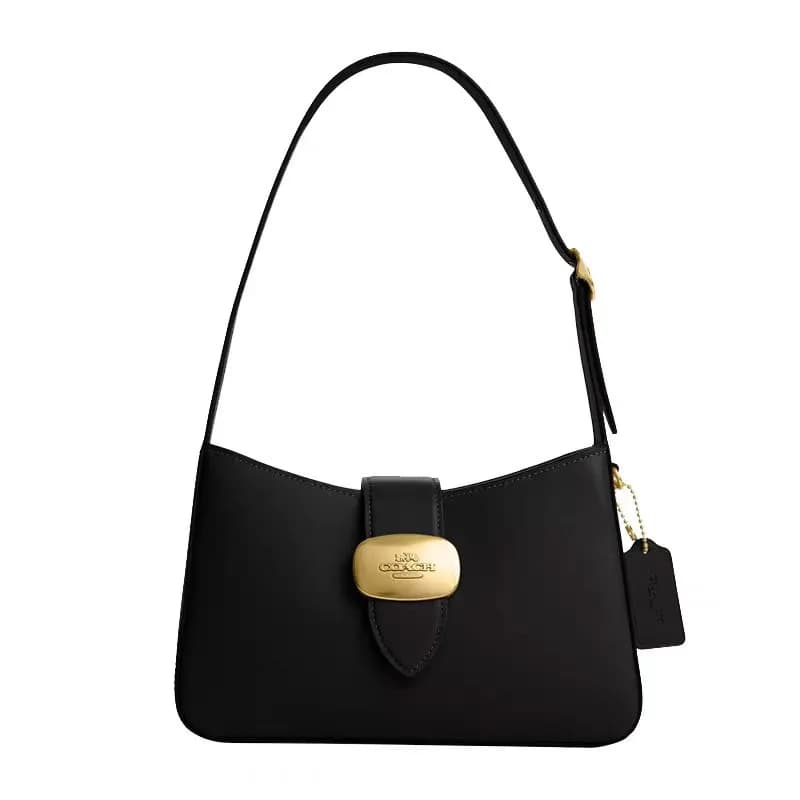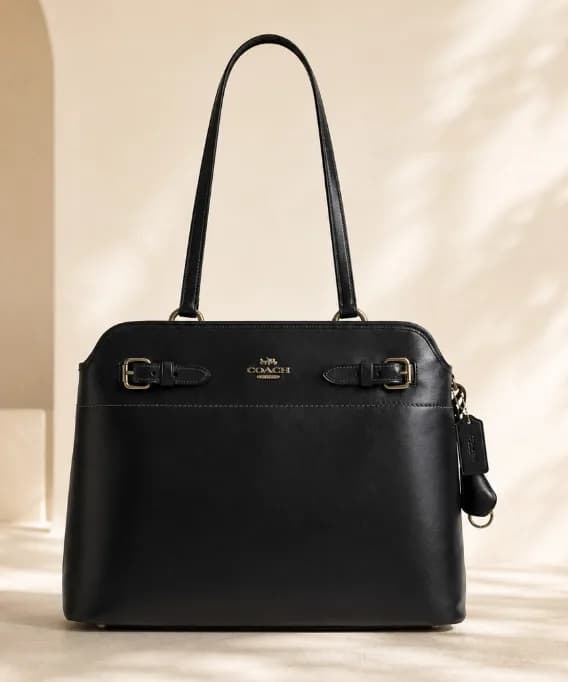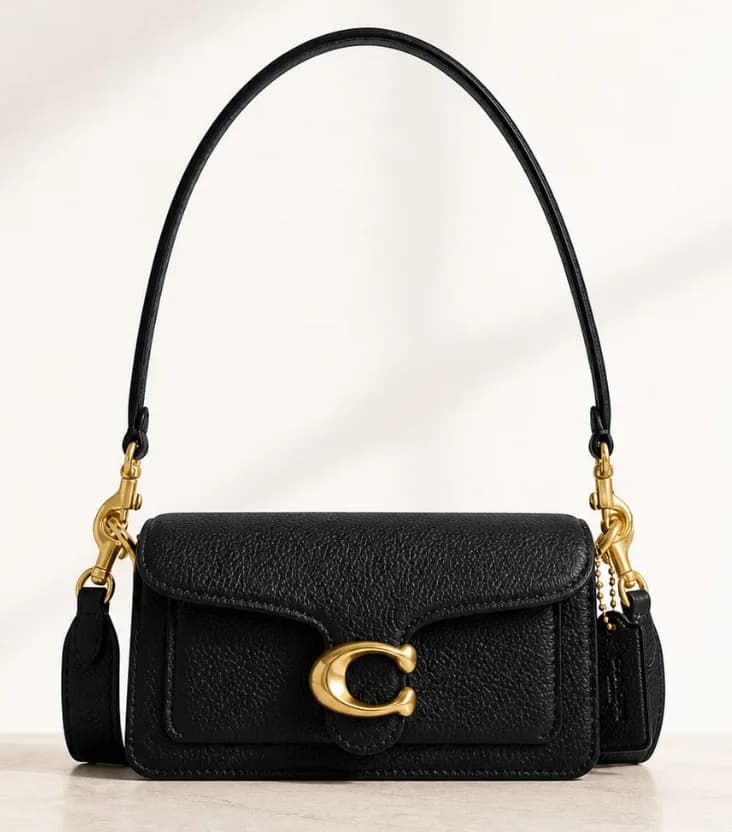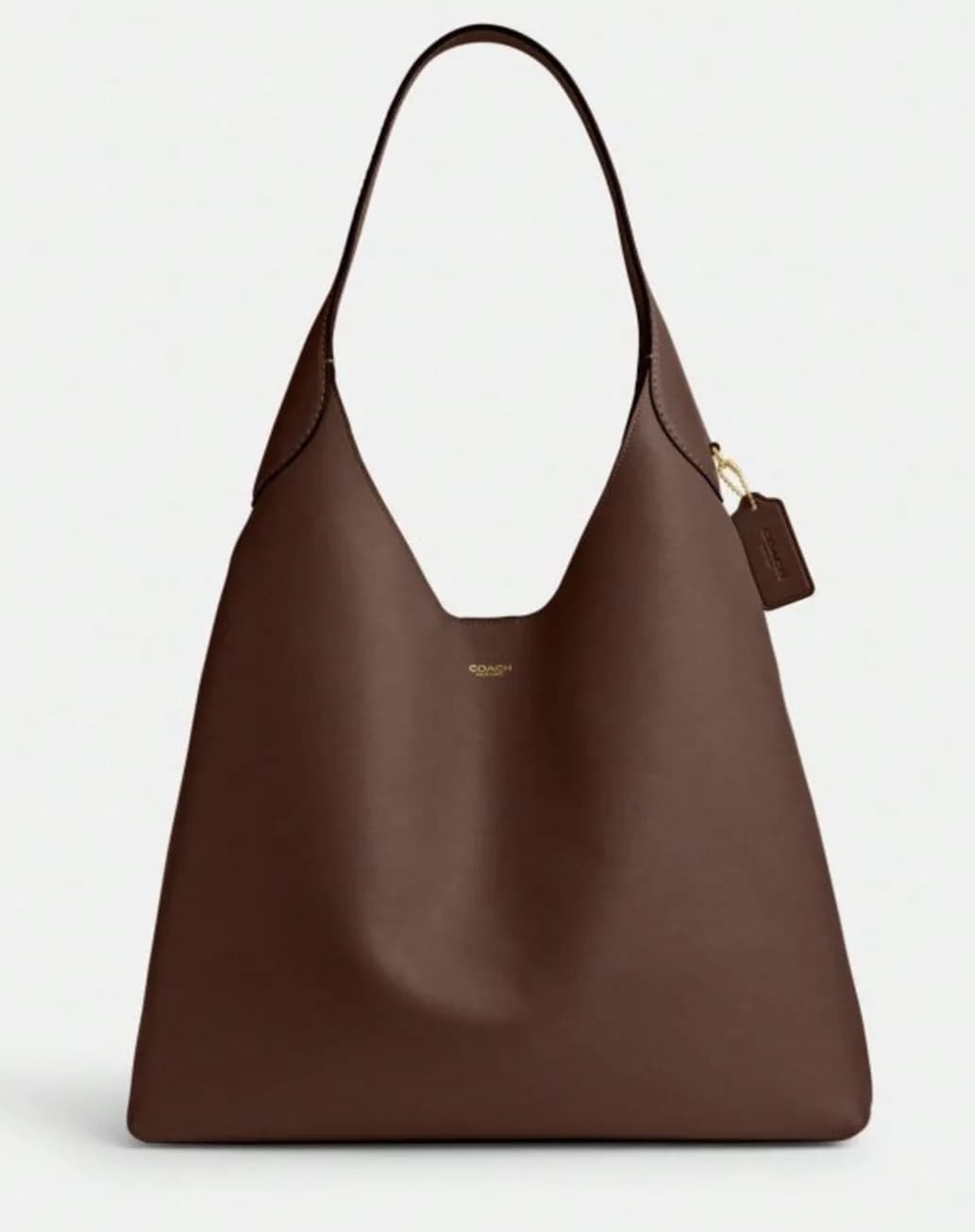
Good leather care is mostly habit rather than products. A soft cloth, a neutral conditioner and a few rules about storage will keep a bag looking close to new for years. Here is a routine you can actually stick to, plus what to do when something goes wrong.
Every week: empty it and wipe it
Tip the bag out once a week. Crumbs, grit and loose change wear through linings and push the leather out of shape from the inside. Then wipe the outside with a soft, dry microfiber cloth to lift dust before it settles into the grain. Pay attention to handles and corners, which pick up the most oil from hands and the most wear from being set down.
A few times a year: clean and condition
Smooth and pebbled leathers dry out slowly, especially in heated rooms. Two or three times a year, clean the surface with a leather cleaner or a barely damp cloth, let it dry, then work in a small amount of neutral conditioner with a clean cloth. Test it first on a hidden spot, such as the underside of a strap, because some conditioners darken light colors. Buff off the excess after twenty minutes.
Coated finishes such as saffiano don’t need conditioner at all; a damp cloth is enough. Suede never gets conditioner either. Use a suede brush instead, always in one direction.
Storage matters more than you think
- Stuff the bag with acid-free tissue or a clean cotton scarf so it keeps its shape. Avoid newspaper, which can transfer ink.
- Store it upright in a breathable dust bag or a cotton pillowcase. Plastic traps moisture and can lead to mildew.
- Keep it away from direct sunlight and radiators, which fade color and dry out the leather.
- Unclip chain straps and lay them inside the bag so they don’t press marks into the leather.
- Give light-colored bags some space. Dark denim, newsprint and other bags can transfer dye.
When things go wrong
Rain. Blot the surface with a soft towel instead of rubbing it. Stuff the bag with paper towels and let it dry at room temperature, never with a hair dryer or next to a heater. Once it is fully dry, condition any area that feels stiff.
Oil or makeup. Blot it straight away, then sprinkle a little cornstarch on the mark and leave it overnight to draw the oil out. Brush it off gently in the morning.
Ink. Don’t scrub, which only spreads it. Ink on leather is a job for a professional, so take the bag to a leather repair specialist as soon as you can.
Scuffs. On pebbled leather, a little conditioner worked in with a fingertip often makes light scuffs disappear. On smooth leather, a color-matched cream polish can cover them; test it on a hidden spot first.
Hardware and edges
Wipe metal hardware with a dry cloth so fingerprints don’t dull it, and keep perfume and hand lotion away from both the hardware and the leather. If painted edges start to crack or a seam comes loose, have it repaired early; small fixes cost far less than big ones.
For notes specific to your bag, check Materials & care on its product page, or see our care guide for every material we carry.